
When DUG began more than two decades ago, the challenge was straightforward but demanding: power was expensive, capital was limited and efficiency was essential. For a nascent company building high performance computing (HPC) systems, power quickly became the dominant operating cost. Every decision had to justify itself in watts and dollars.
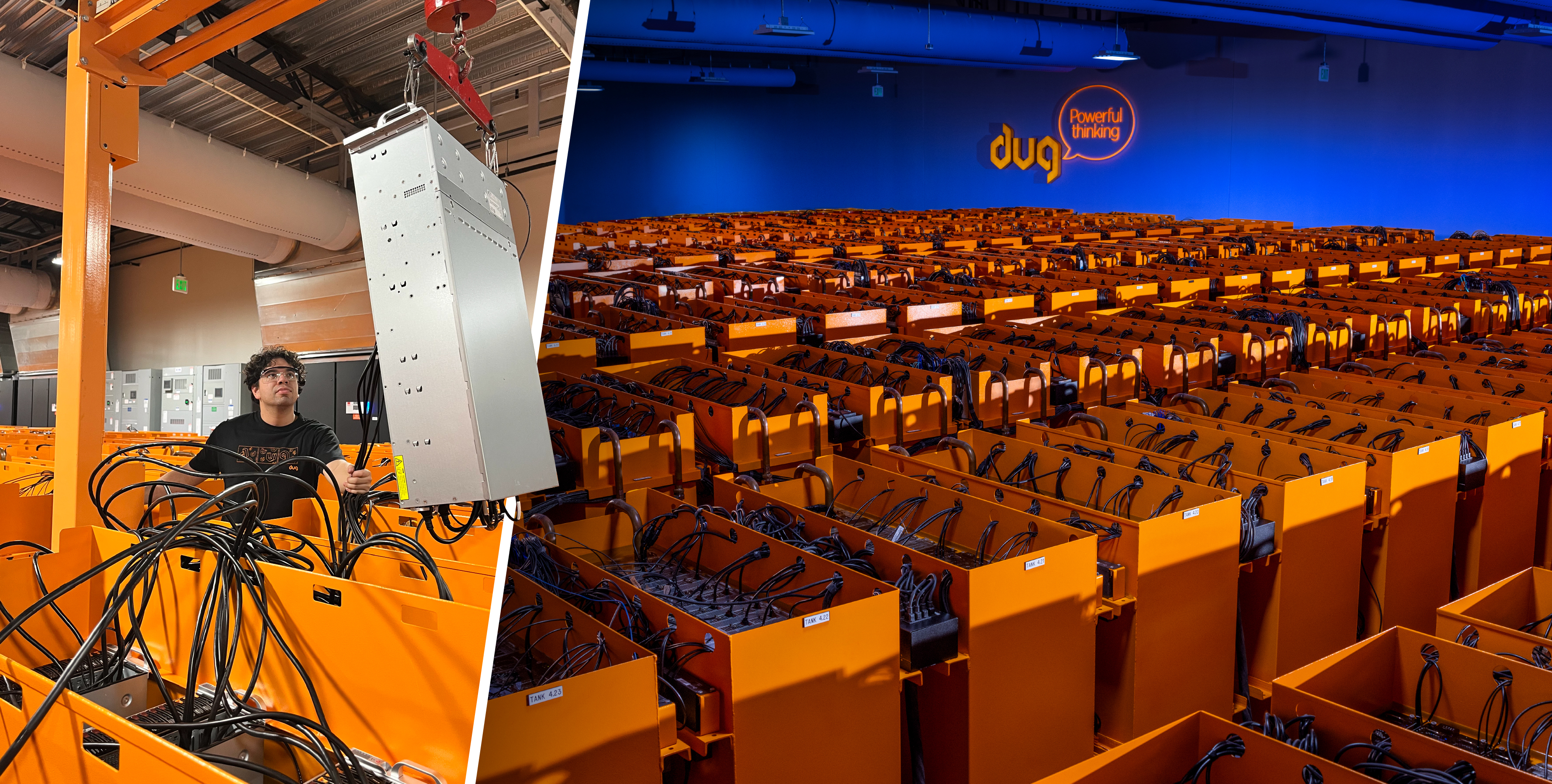
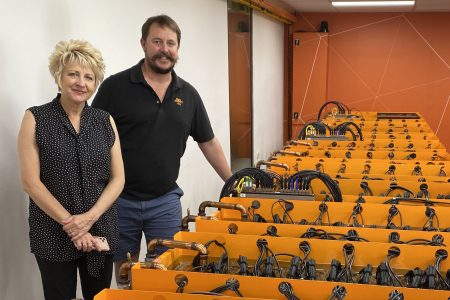
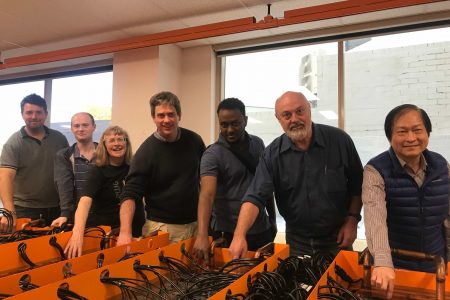
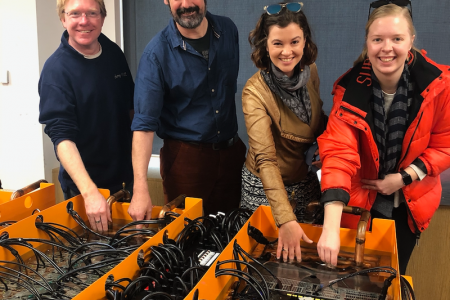
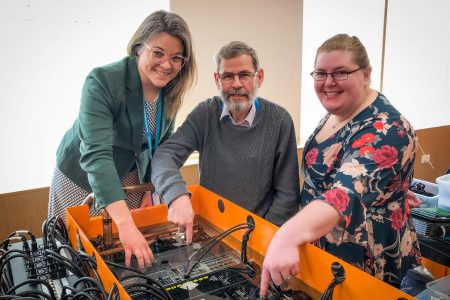
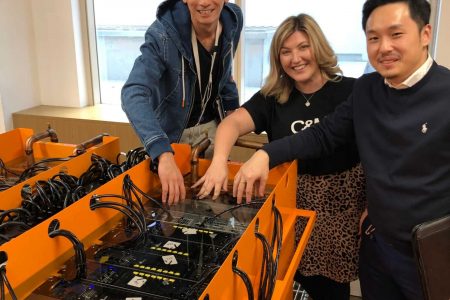
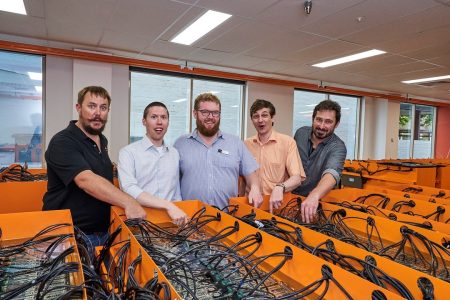
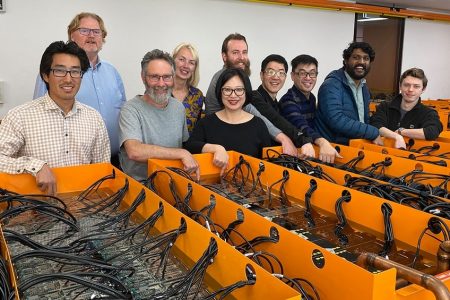
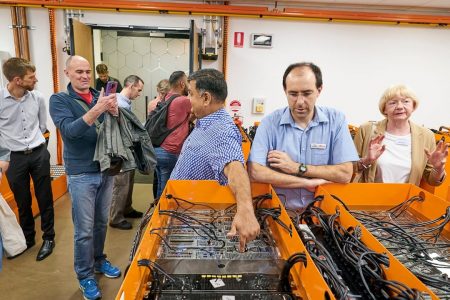
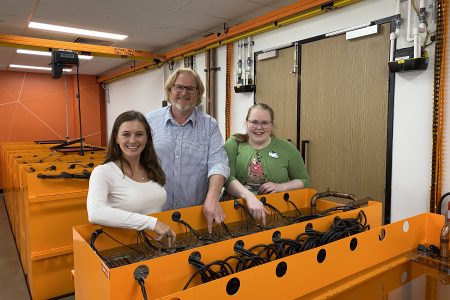
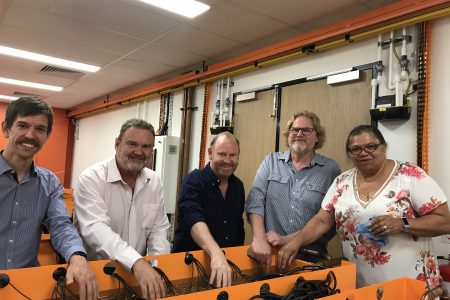
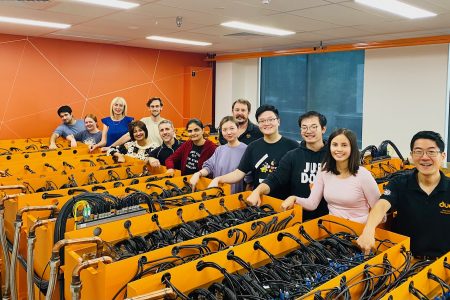
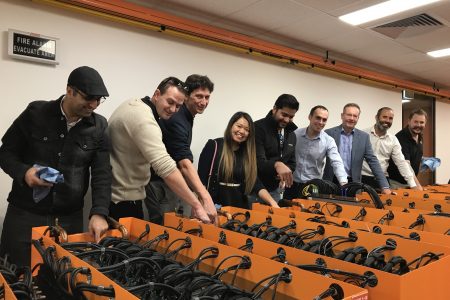
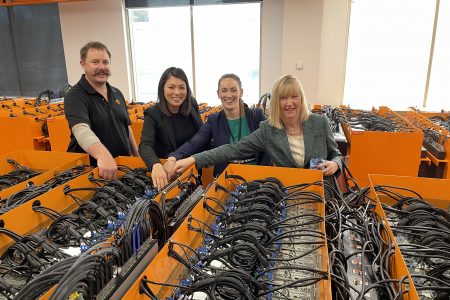
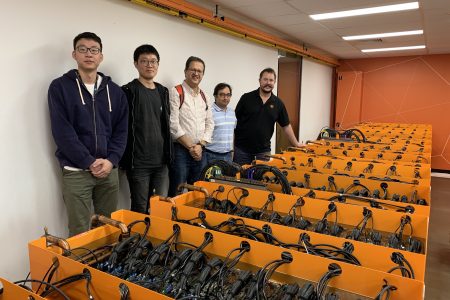
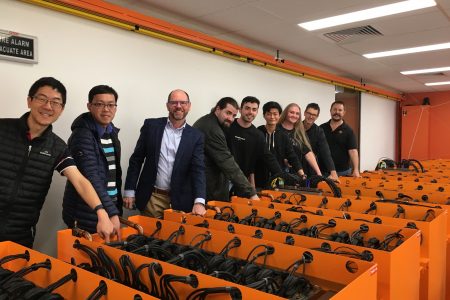
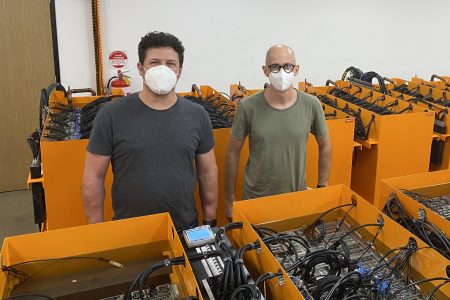
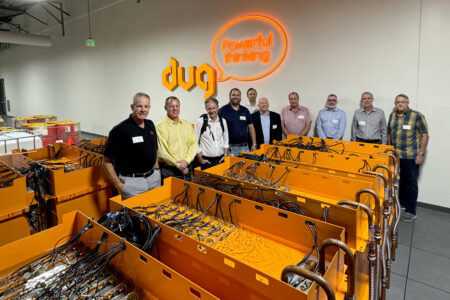
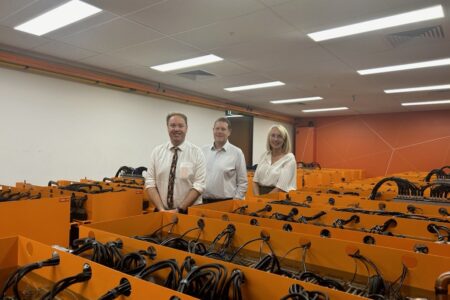
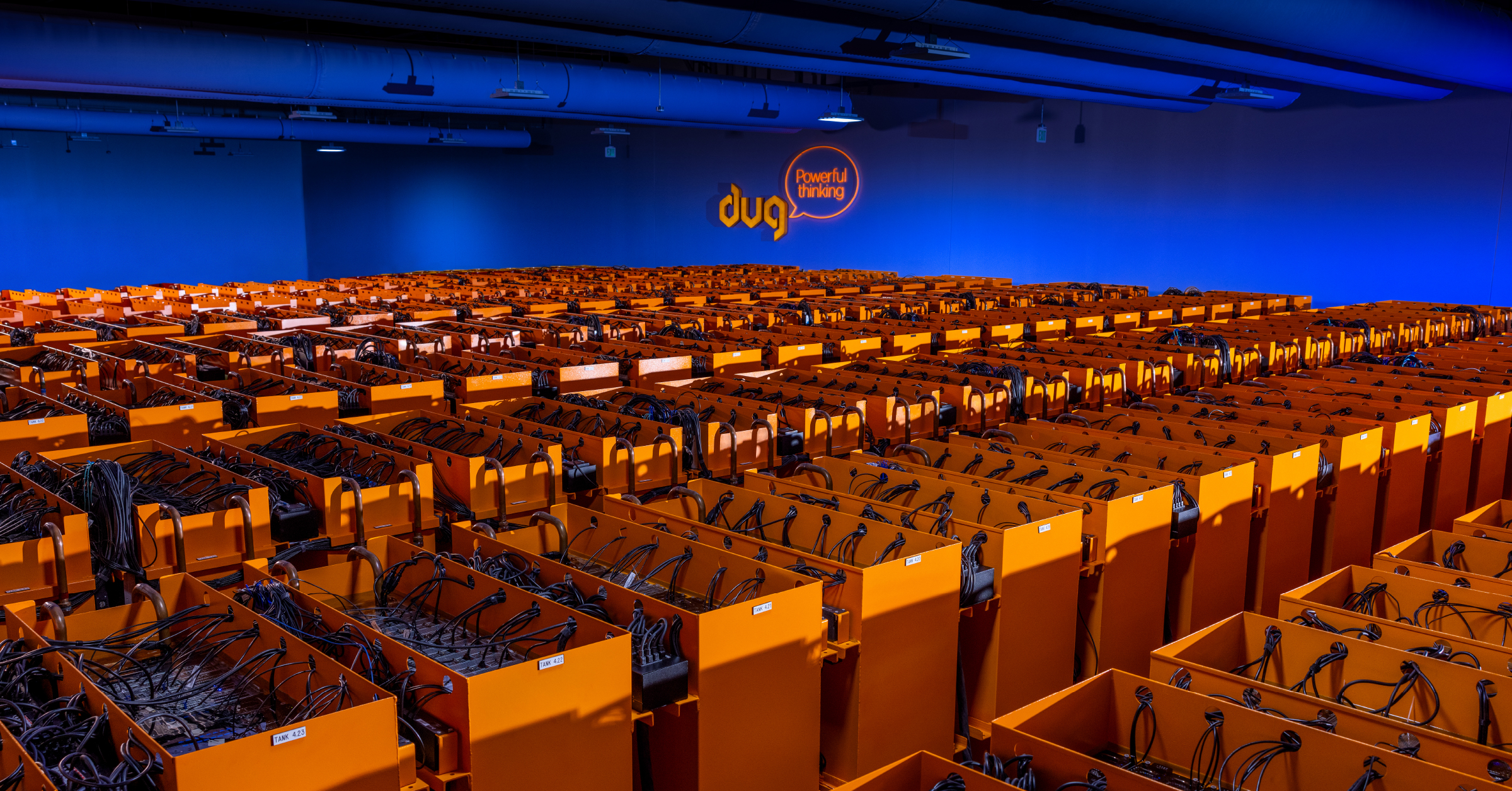
Immersion cooling emerged as a practical response to that constraint. By submerging servers directly in fluid, DUG was able to extract heat far more efficiently than with air, reducing cooling-related power consumption dramatically. Just as importantly, immersion cooling creates a thermally stable environment without hot spots, dust or oxidation — translating to fewer failures and less downtime. To support this approach at scale, DUG went on to develop its patented immersion-cooling system, refining the tank design, fluid circulation and heat-exchange component through operational use. What began as a cost-saving measure soon became a foundational part of how DUG designs and operates data centres.
That experience is increasingly relevant today. Artificial intelligence, machine learning and advanced simulation workloads are pushing processors to work harder and faster. As compute density rises, so does heat output — and the limits of air cooling are becoming harder to ignore. Thermal management is no longer just about keeping equipment within safe margins; it is now a factor that directly shapes performance, reliability and scalability.
Immersion cooling addresses this challenge at a fundamental level. Fluids remove heat from processors more quickly than air, enabling higher sustained performance. Because immersion systems operate at higher fluid temperatures relative to air cooling, they can also reduce reliance on evaporative cooling. In some configurations, this opens the door to hybrid or dry cooling approaches, lowering water consumption or eliminating it altogether.
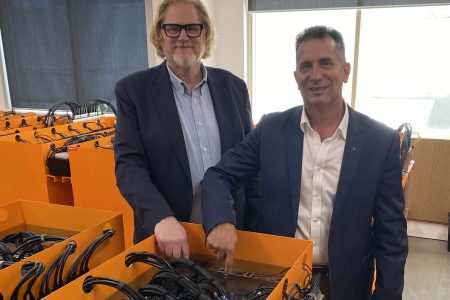
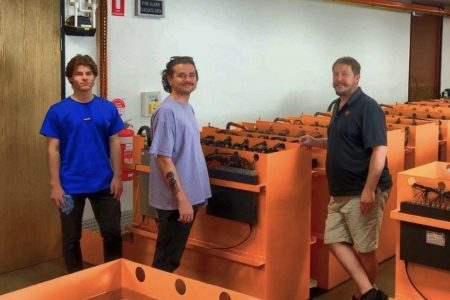
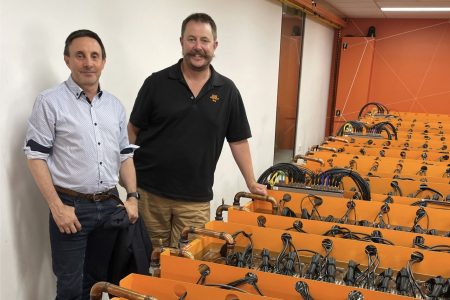
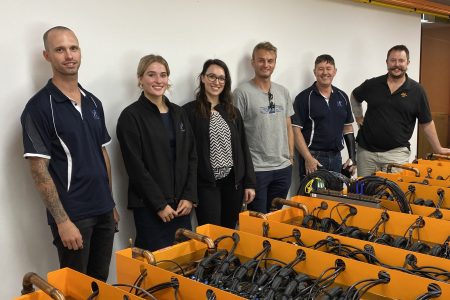
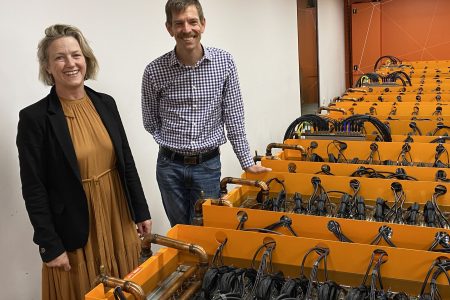
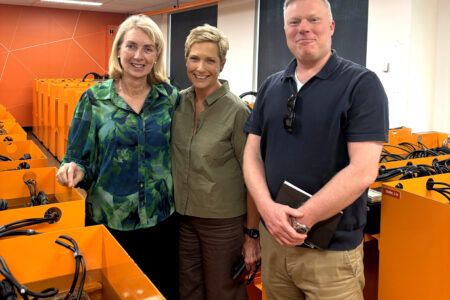
Scaling immersion cooling effectively, however, requires more than system design alone. It depends on collaboration across the ecosystem, including partners with deep expertise in fluid science. One example is DUG’s work with global partner ExxonMobil. Through testing in DUG’s immersion systems, fluid properties such as viscosity, volatility and heat transfer performance can be measured directly. Lower-viscosity fluids, for instance, place less stress on pumps while maintaining strong cooling performance, improving overall system efficiency and durability. ExxonMobil’s capability to design and manufacture these fluids at scale adds a critical layer of engineering depth to the broader immersion landscape.
DUG’s simple objective was to run its data centres cost effectively, reliably and at scale — in effect DUG was its own first client. The end result was some of the largest and most efficient data centres in the world. After years of operating immersion-cooled systems in tried-and-tested production environments, that experience is now informing others. Customers now get access to the same turn-key solutions that DUG built for itself. In 2024, the company’s proprietary immersion-cooling technology was licensed exclusively to global data-centre cooling specialists Baltimore Aircoil Company (BAC). The technology is also a key enabler of its deploy-anywhere edge-computing solution, DUG Nomad, which is available in compact 10 ft* and super high-density 40 ft** options. As demand for advanced computing continues to grow, DUG is committed to working with a network of global partners to ensure cooling technology evolves alongside — grounded in real-world performance, and designed for what comes next.
Watch DUG’s video with ExxonMobil here:
https://www.youtube.com/watch?v=WcEfP8ieSf4